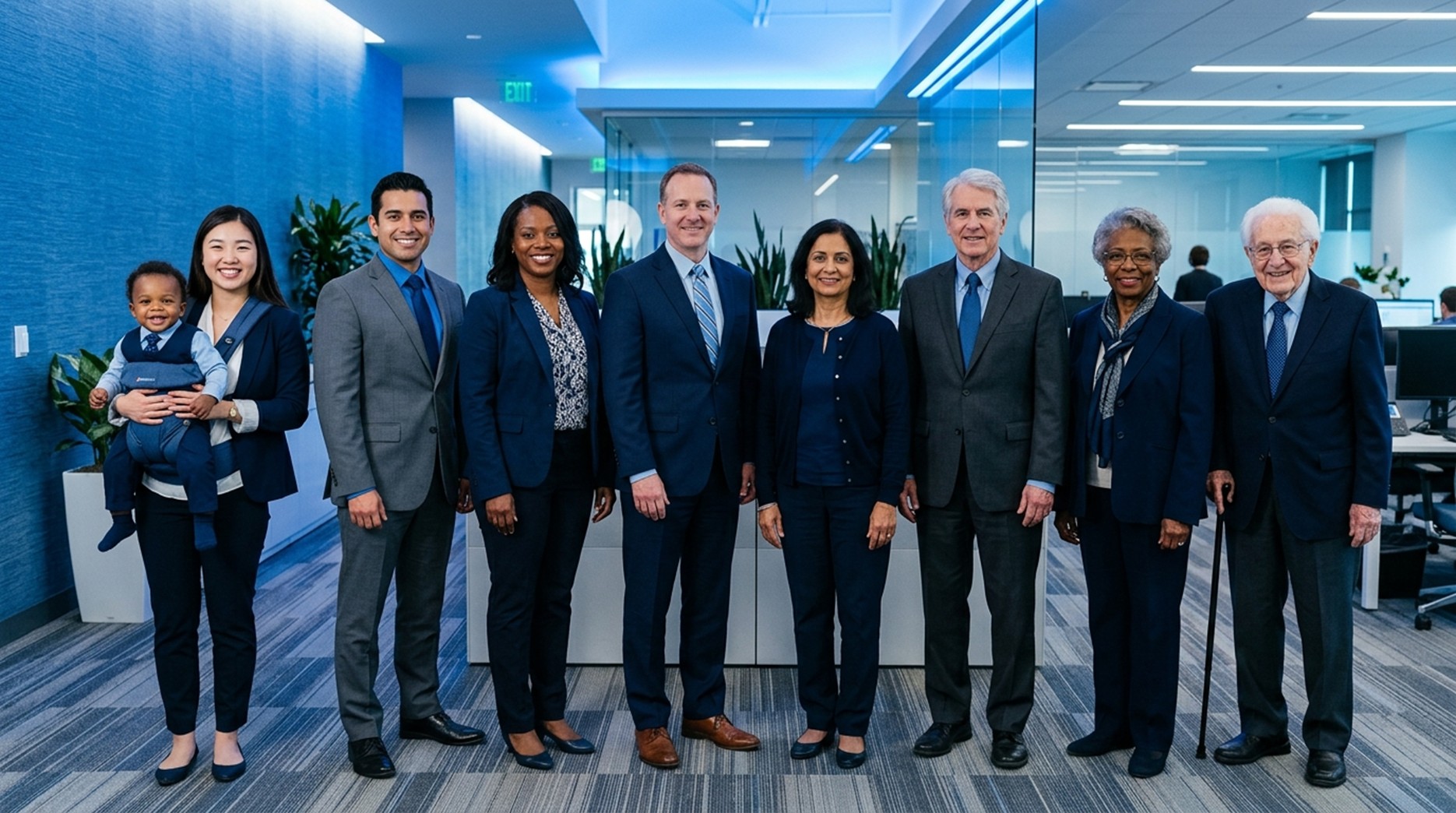
For the first time in history, many workplaces span five distinct generations — from Baby Boomers with decades of institutional knowledge to Gen Z workers who entered the workforce during a global pandemic. Each generation brings real strengths to the table. Each also comes with its own communication preferences, work style expectations, and motivators.
Managing a multi-generational workforce well isn’t about stereotyping any group. It’s about building systems, cultures, and leadership approaches that allow every generation to contribute — and feel valued doing it.
At DPI Staffing, we place workers across industries and experience levels every day. Here’s what we’ve seen work.
Understanding Who’s in Your Workforce
Before designing any management strategy, it helps to understand each generation’s general characteristics — while remembering that individuals always vary. According to Pew Research Center, the generations in today’s workforce are generally defined as:
- Baby Boomers (born 1946–1964): Value loyalty, structure, and proven processes. Bring deep institutional knowledge and reliability.
- Generation X (born 1965–1980): Often described as independent and pragmatic. Comfortable bridging older and newer approaches.
- Millennials (born 1981–1996): Prioritize purpose, flexibility, and collaboration. Now the largest generational segment in the U.S. workforce.
- Generation Z (born 1997–2012): Digital natives who value authenticity, mental health, and career growth. Expect fast feedback and transparent leadership.
- Generation Alpha is beginning to enter internship and entry-level roles in some industries.
The Key Challenges of a Multi-Generational Team
Communication Style Differences – Older employees may prefer formal email or in-person conversations. Younger workers often default to messaging apps, brief check-ins, and digital collaboration tools. Neither approach is wrong — but assuming everyone communicates the same way creates unnecessary friction.
Different Definitions of Work-Life Balance – What a Baby Boomer considers a strong work ethic and what a Gen Z employee considers a healthy boundary may look very different. Both perspectives are legitimate, and navigating them requires clear, consistent workplace norms — not assumptions.
Varying Comfort With Technology – Rapid digital transformation can leave some experienced employees feeling sidelined, while underutilizing tech-savvy younger workers. The goal is to leverage both institutional knowledge and digital fluency.
Mentorship Running in All Directions – Traditional mentorship moved in one direction — senior to junior. In a multi-generational workplace, the most effective mentorship flows both ways: seasoned employees sharing context and expertise, newer workers introducing tools and fresh perspectives.
Practical Strategies That Work
1. Build a Culture of Respect, Not Uniformity – The goal isn’t to make every generation think and work the same way; it’s to create an environment where different approaches are respected and the outcomes are what matter.
2. Offer Communication Flexibility – Give teams the freedom to choose communication channels that work for them, while establishing non-negotiables around response times and key meetings. SHRM’s research on generational communication offers practical frameworks for navigating this balance.
3. Personalize Motivation and Recognition – What motivates a Gen X employee (autonomy, financial security) may differ from what motivates a Millennial (purpose, feedback) or a Gen Z worker (growth, transparency). Regular one-on-ones where managers ask “what matters most to you right now?” go further than any universal incentive program.
4. Create Intentional Reverse Mentoring Programs – Pair experienced employees with newer team members in structured relationships where both parties teach and learn. According to Deloitte, reverse mentoring programs improve cross-generational collaboration and accelerate digital adoption.
5. Be Transparent About Career Paths – Every generation wants to know where they’re headed. Clear advancement criteria, regular development conversations, and visible promotion pathways build engagement across all age groups.
How DPI Staffing Supports Generationally Diverse Teams
When you partner with DPI Staffing for your hiring needs, you gain a recruiter who understands the full range of worker motivations, communication styles, and experience levels. We match candidates not just to roles, but to teams — because fit matters as much as skill.
Building a team that works well across generations starts with placing the right people in the right environment. Talk to DPI Staffing today and let’s build something that lasts.